

Prof. Peter's Original Divine Noni

THE STORY OF DIVINE NONI

The scientist who took noni seriously.

Divine Noni began with the late Prof. P. I. Peter. He believed the noni fruit deserved real study rather than passing wellness hype, so he gave it a lifetime of work. In 2001, in Chennai, he turned that work into a single daily formula. We still make Divine Noni to his original recipe.

Portrait of the late Prof. P. I. Peter, founder of Divine Noni

WHAT HE STUDIED

Why the fruit was worth a lifetime of work.

THE FRUIT

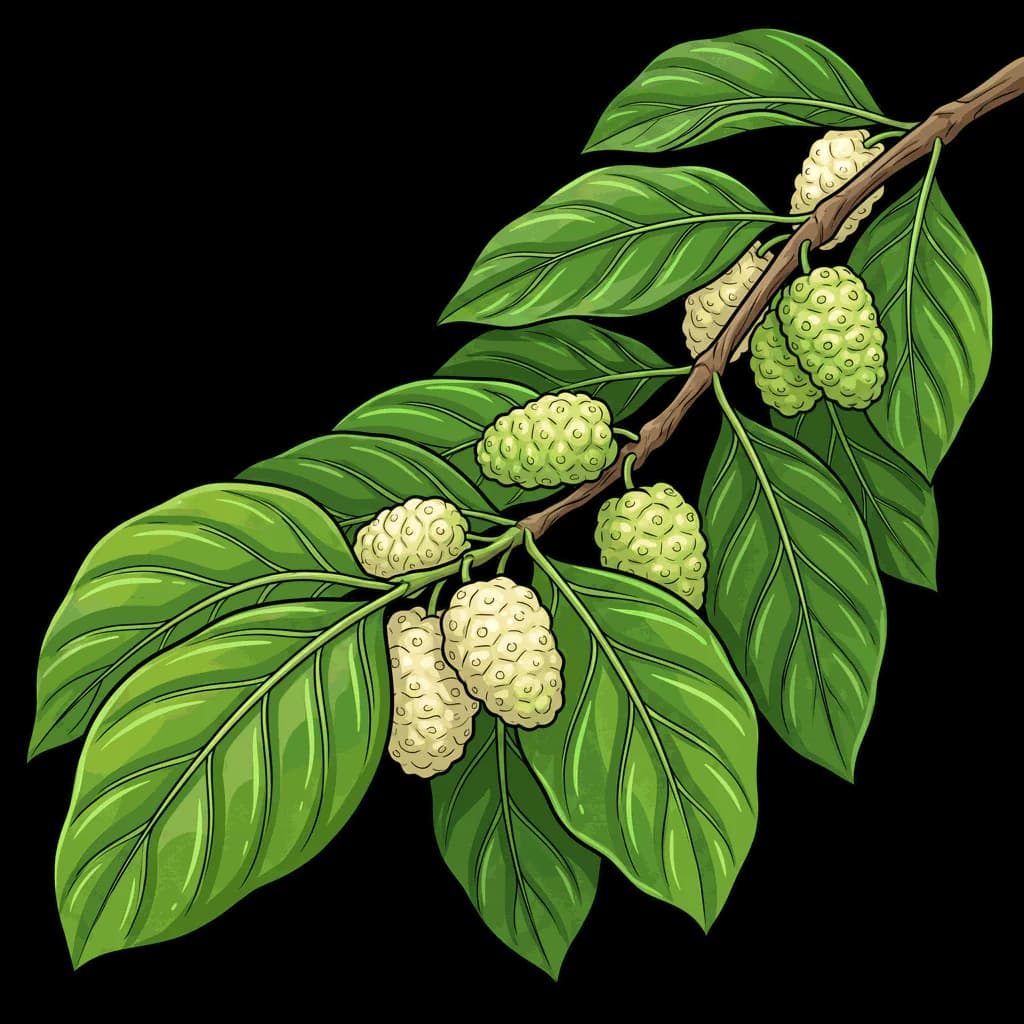
Morinda citrifolia.

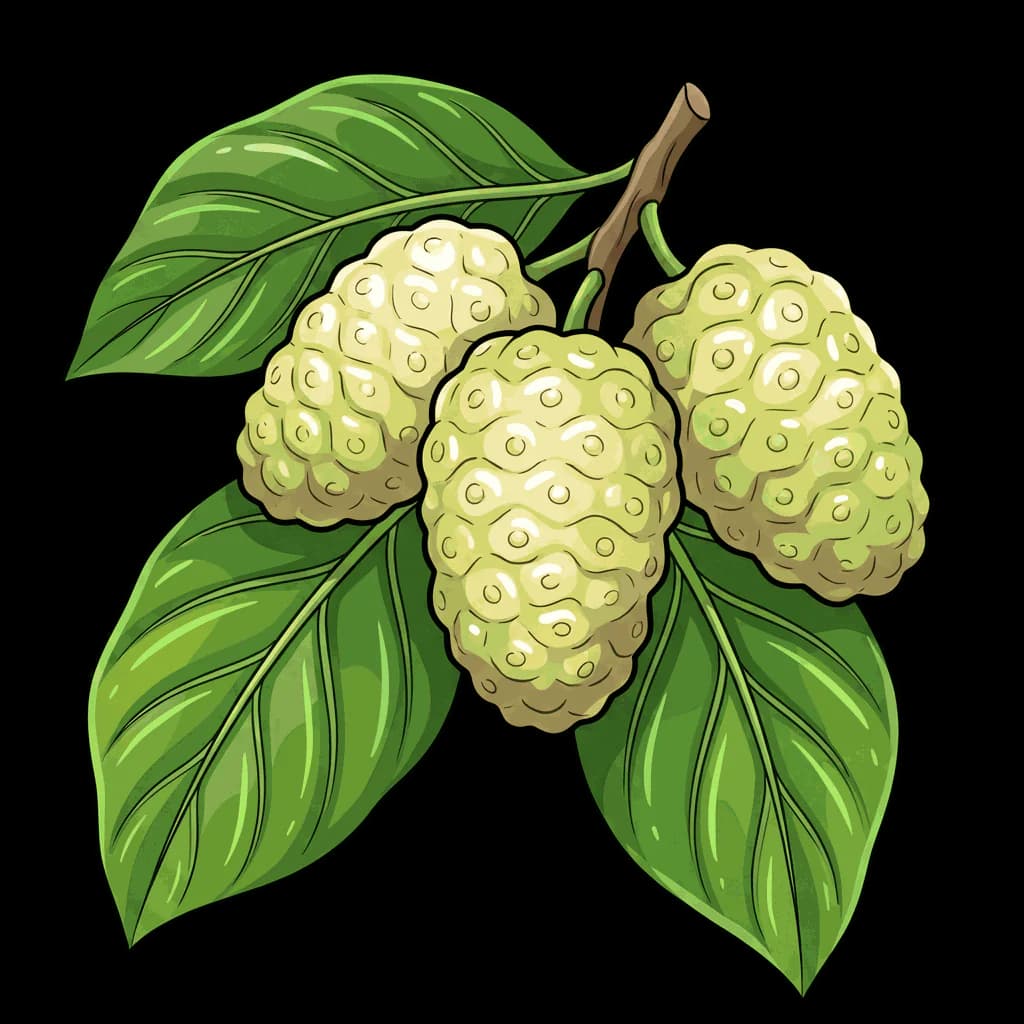
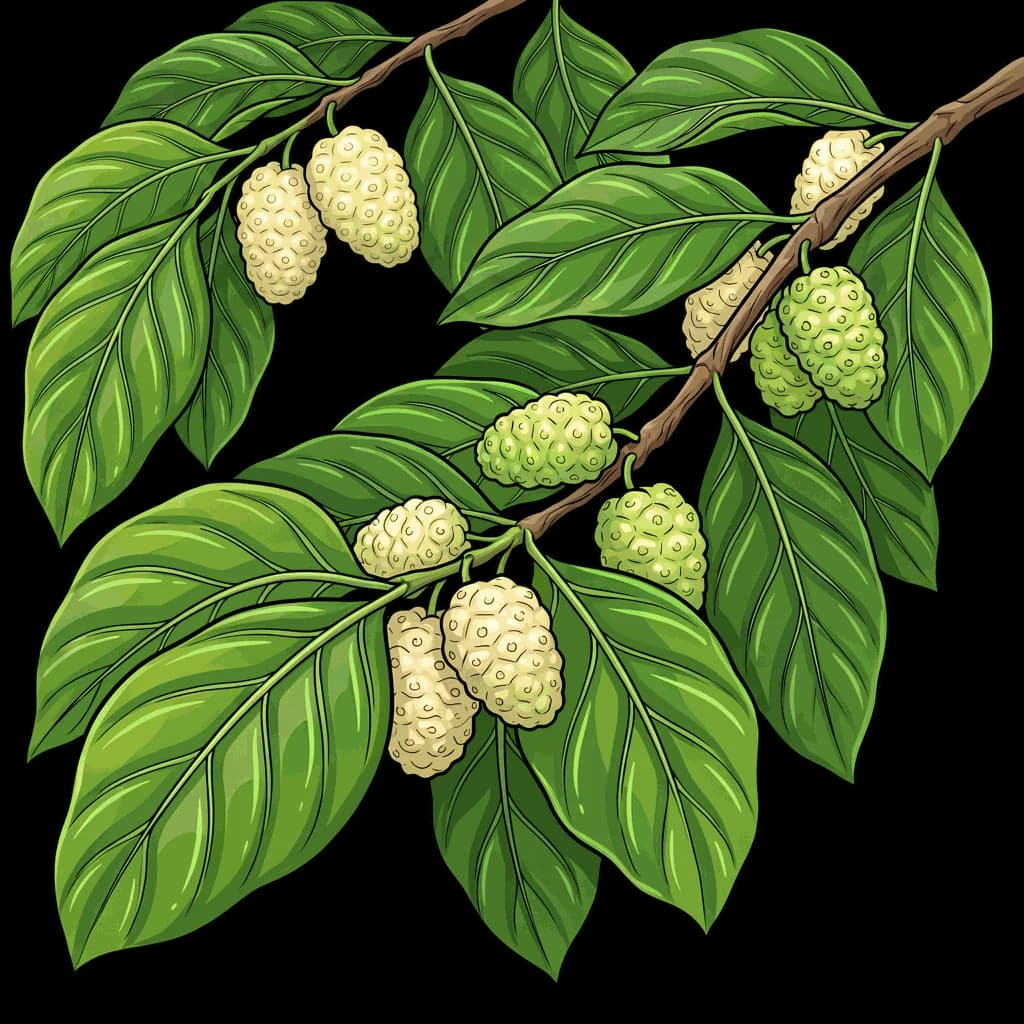
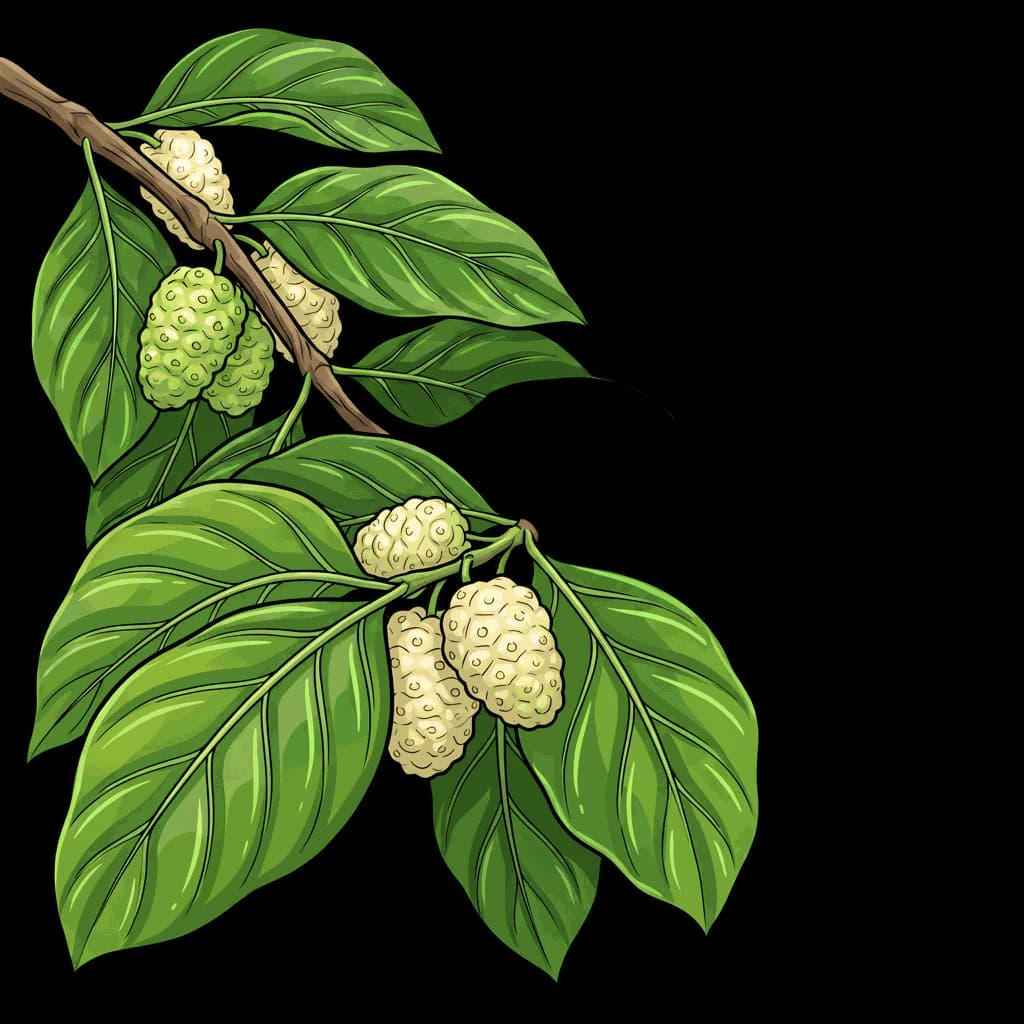
Noni is the fruit of Morinda citrifolia, a small evergreen tree. The ripe fruit is pale, knobbly, and strong-smelling. It carries more than two hundred naturally occurring compounds, among them the iridoid glycosides now at the centre of published research.

Prof. Peter built his formula around the whole fruit, pressed and bottled simply. What grows on the tree is what enters the bottle. No concentrate, no reconstitution, no blend of cheaper juices.
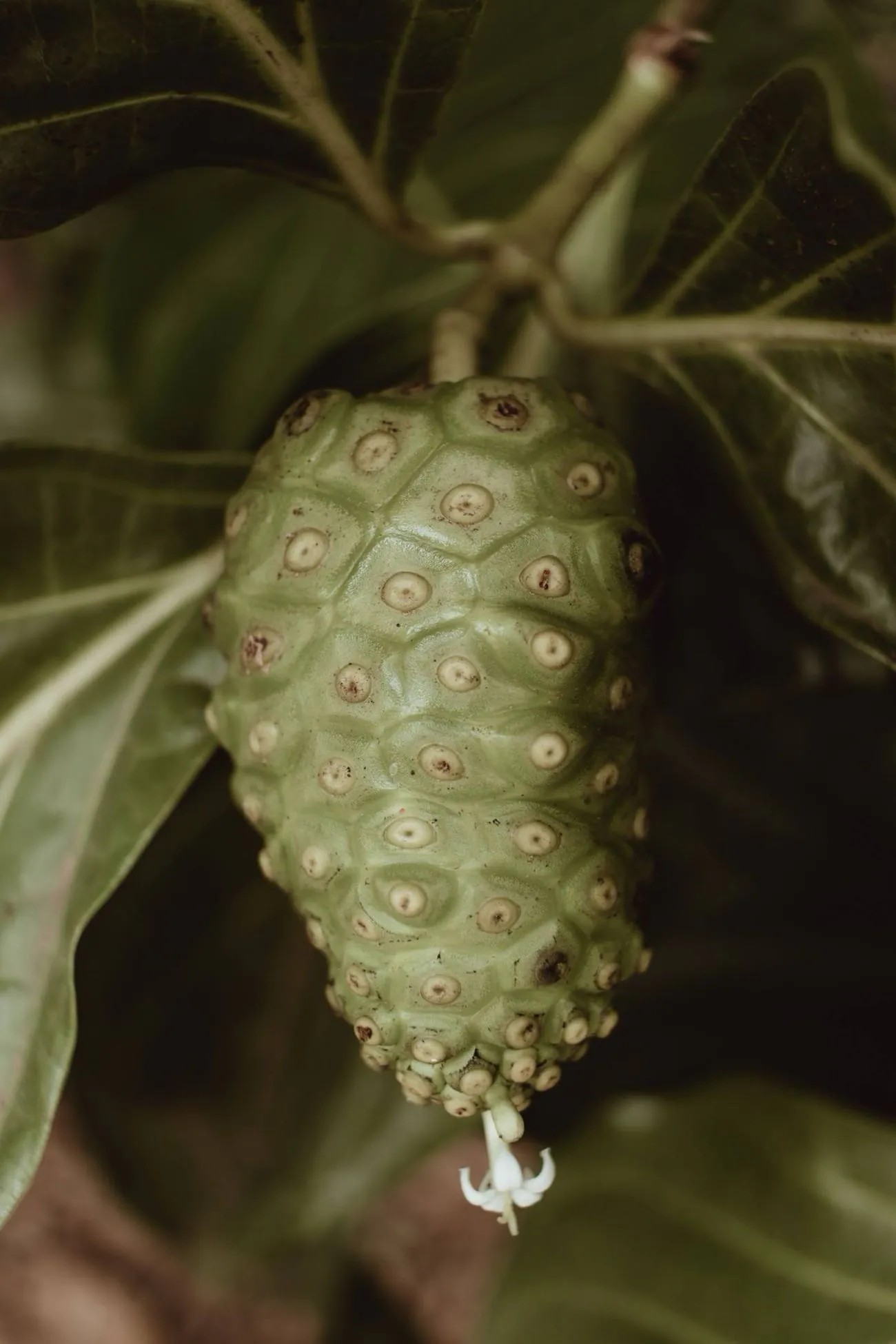
Macro of a single ripening noni fruit, the pale-green knobbly drupe with its eye-like surface

3,000 YEARS

A track record, not a legend.

Three thousand years of continuous use is a long time for anything to stay in a tradition. Ayurvedic practice did not keep noni because of a story. It kept it because generation after generation found it worth taking. That track record is what convinced Prof. Peter the fruit was worth his time.

Long use is not the same as a clinical trial, and we never pretend it is. What it is, is a signal. It told him, and later other researchers, where to look. The fruit had been in use for millennia before any laboratory opened it up.

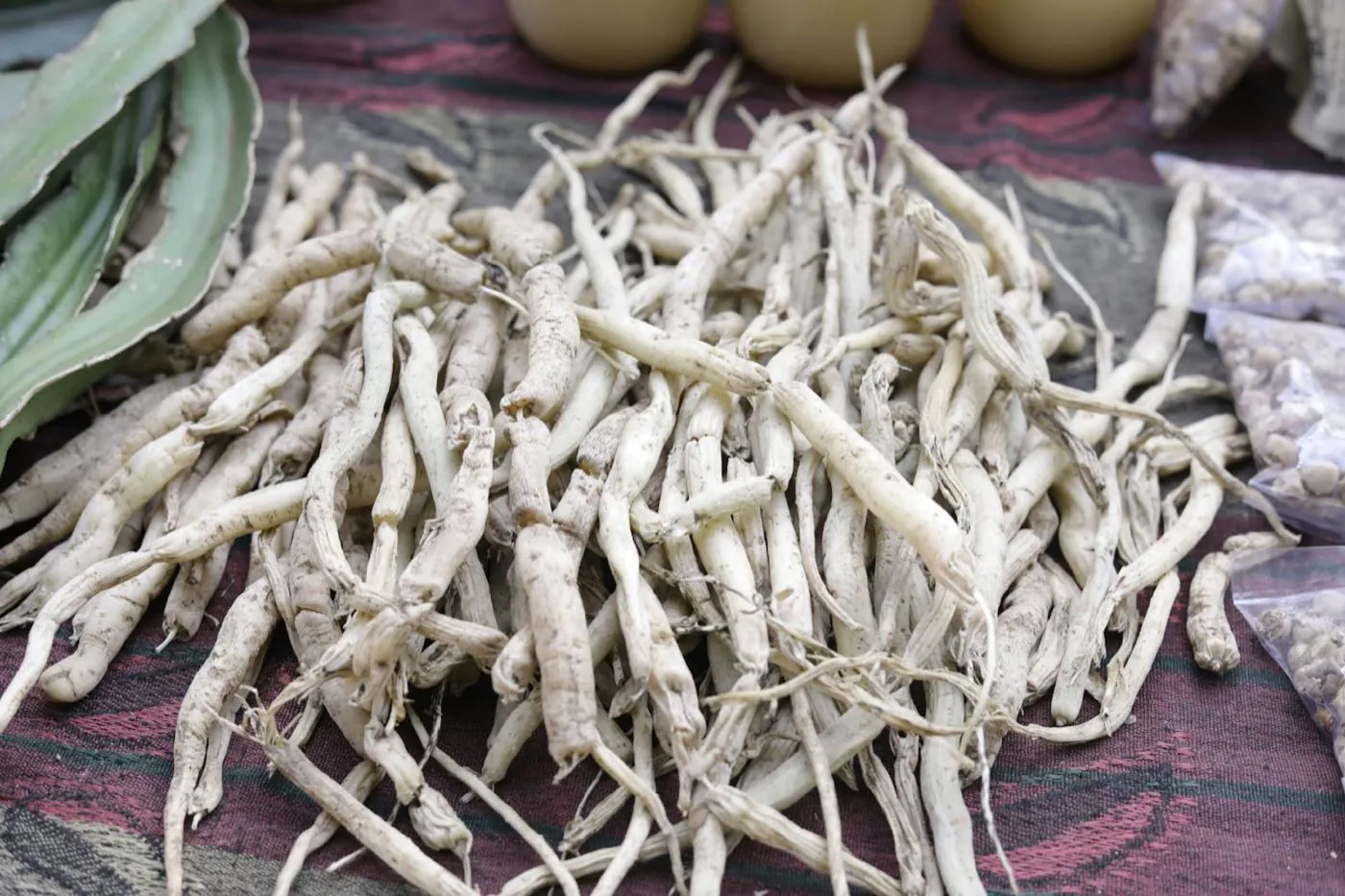
Dried herbal roots laid on a traditional patterned cloth, the heritage Ayurvedic botanical context of southern India

WHERE IT COMES FROM

Rooted in India.

The noni fruit grows across the warm, high-rainfall regions of India and South Asia. The same ground that grows it has held the Ayurvedic tradition for millennia. This is not a recent discovery. It is a fruit Indian practitioners have grown, pressed, and taken for a very long time.

Prof. Peter founded Divine Noni in Chennai in 2001, when few people in India thought of noni as more than a roadside tree. He treated it as a subject worth a research foundation, a laboratory, and a written body of work.

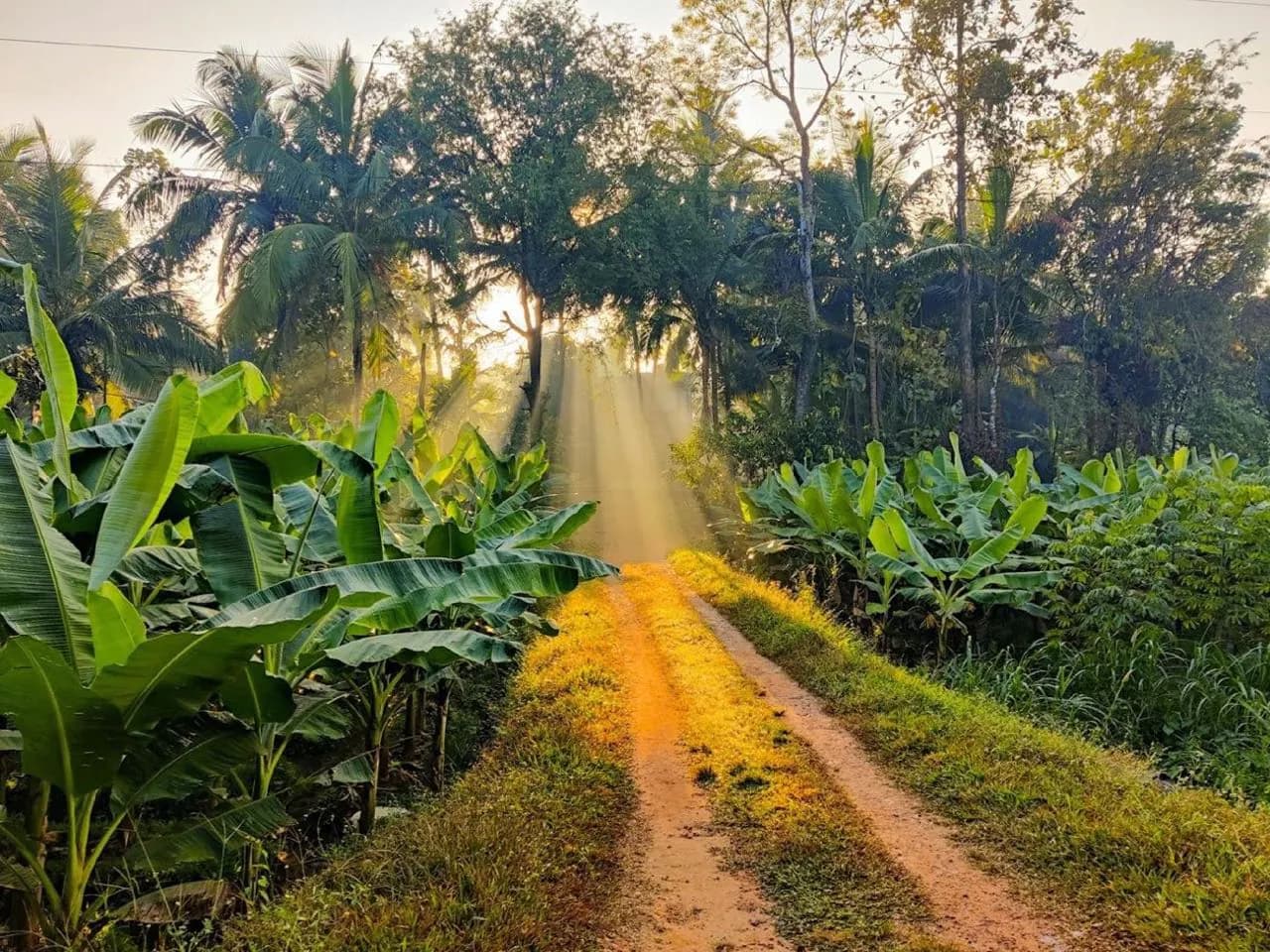
A sunlit grove path through tropical planting in southern India, morning light through coconut and banana foliage
3,0003,000 YEARS
200+Naturally occurring compounds

WHAT TO EXPECT

A daily ritual, judged honestly.

Divine Noni is two glasses a day, taken in water. People reach for it for steadier energy and a calmer daily rhythm, for the sense of feeling more like themselves. It is a wellbeing ritual, not a quick fix.

Our honest ask is simple. Give it a month. Most people notice the difference within the first few weeks, but the fruit rewards consistency more than intensity. Judge it on how you actually feel.

TRADITION MEETS EVIDENCE

Where his work meets the lab.

Prof. Peter set the course the published research now follows. Three thousand years of Ayurvedic use pointed toward the iridoid compounds studied in the literature today. The long Indian track record and the modern lab are reading the same fruit. One tells us where to look. The other tells us what is actually there.

See the evidence
THE FOUNDER

Prof. Peter's legacy.

Prof. P. I. Peter spent his life on a single conviction, that noni deserved serious study rather than wellness hype. He founded the World Noni Research Foundation, set up a laboratory, wrote a monograph on the fruit, and built Divine Noni around the formula he refined over decades.

He is no longer with us. The formula is. For twenty-five years it has been made the way he intended, traditional wisdom and modern research in one honest daily glass, and it is carried forward today under his name.

Two glasses a day. Give it a month.

Start the ritual